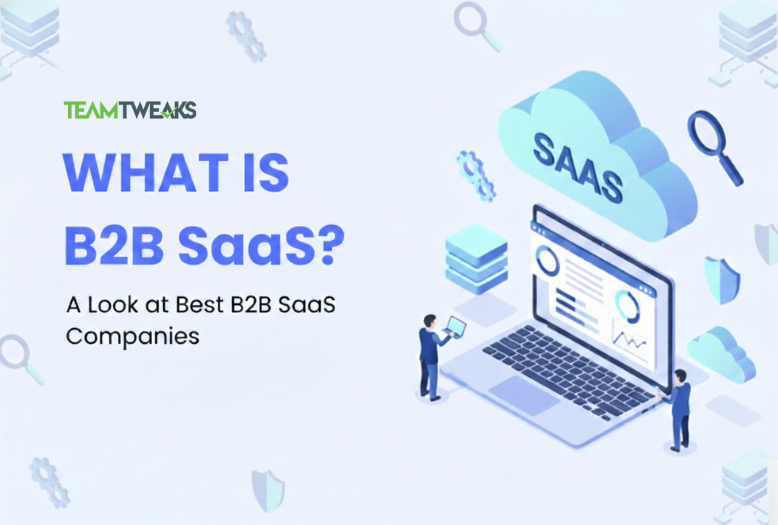
Over the past decade, cloud software has transformed how businesses operate. From small startups to global enterprises, every organization now relies on digital tools to work faster, smarter, and more efficiently. One of the biggest game changers in this transformation is B2B SaaS, short for Business to Business Software as a Service. In simple terms, B2B SaaS is cloud based software that one business offers to support and streamline the operations of other businesses. These tools are designed to handle everything from sales and marketing to finance, HR, operations, and beyond.
With the rise of remote work, artificial intelligence, and automation, B2B SaaS has grown rapidly. In 2026, we are seeing even more innovative platforms entering the market. These companies don’t just sell software, they offer scalable, cost effective, and data driven solutions that solve real problems. In this blog, we’ll explore What SaaS means, What B2B SaaS is and how it works, The current B2B SaaS market in 2026, Key trends shaping the industry, Top B2B SaaS companies you should know, How to Pick the Ideal SaaS Software for Your Business. Whether you’re a startup founder, IT manager, or enterprise leader, this guide will help you understand B2B SaaS and how it can shape your digital journey.
What Is SaaS?
SaaS stands for Software as a Service. It’s a software delivery model where users access applications over the internet rather than installing them on their own computers or company servers.
Think of how you use tools like Gmail, Google Docs, or Zoom. You don’t need to download software from a CD or manage technical updates. You just log in through a web browser and start using the service. That’s SaaS.
Here’s how it works:
- The software operates on cloud infrastructure managed and maintained by the service provider.
- Users usually access the software through a subscription model, paying monthly or annually.
- The provider takes care of all aspects, including maintenance, security, updates, and customer support.
- The software can be used via a browser or mobile application.
Key Benefits of SaaS
- No installation required – Just sign in and start using it.
- Lower upfront costs – Pay as you go model eliminates large one time purchases.
- Automatic updates – No need to manually update software.
- Scalability – Easily add more users or upgrade plans as your business grows.
- Access from anywhere – Teams can collaborate in real time from different locations.
Popular SaaS tools include:
- Dropbox for cloud storage
- Zoom for video meetings
- Canva for design
- Slack for communication
- Shopify for ecommerce
SaaS is now the standard method for modern businesses to deliver and use software.
What Is B2B SaaS?
While SaaS refers to any software delivered via the cloud, B2B SaaS specifically targets solutions built for business to business (B2B) operations. That means one company creates software tools that are sold to help other companies perform their operations better.
In contrast, B2C SaaS (Business to Consumer) tools serve individual users. For example, Spotify or Netflix are B2C SaaS tools that provide entertainment directly to consumers.
But B2B SaaS tools like Salesforce, HubSpot, or QuickBooks are used by businesses to:
- Manage customer relationships
- Track sales and leads
- Handle finances and payroll
- Run marketing campaigns
- Improve productivity
- Automate workflows
These tools are powerful, customizable, and often come with features for data analytics, API integrations, and advanced security all designed for companies rather than individual users.
Examples of B2B SaaS Companies
- Salesforce – CRM software to manage leads, sales pipelines, and customer data.
- HubSpot – Inbound marketing and sales platform.
- ZoomInfo – B2B database and sales intelligence tool.
- Asana – Project and task management tool for teams.
- Snowflake – A cloud based data warehousing and analytics platform designed for scalable data management.
Why B2B SaaS Is Booming in 2026
In 2026, the global demand for digital first solutions is higher than ever. Businesses are looking for fast, flexible tools that can adapt to their needs without requiring huge upfront investment or technical staff.
Key reasons for B2B SaaS growth include:
- Remote and hybrid workforces need tools to stay connected and productive.
- AI powered features help companies make smarter decisions with less manual work.
- APIs and integrations let businesses connect tools and build custom workflows.
- Security and compliance are built in, saving time and reducing risk.
B2B SaaS products are especially useful for startups and small businesses because they can start small, pay only for what they use, and scale up when needed.
Advantages of B2B SaaS
- Cost effective: No need to build in-house tools or hire big tech teams.
- Quick deployment: Get started in days, not months.
- Data driven: Built-in analytics help you track performance and ROI.
- Always improving: Vendors push regular updates based on user feedback.
- Accessible from anywhere: Great for distributed teams and global customers.
Whether it’s managing leads, analyzing performance, or supporting customers, B2B SaaS is now essential to daily business operations.
The B2B SaaS Market Outlook for 2026
The B2B SaaS industry continues to expand rapidly in 2026. What initially started as a simplified way to deliver software has now evolved into a core element of modern business operations. Today, organizations of every size depend on cloud based platforms for essential tasks ranging from sales pipeline management and inventory tracking to email automation and customer behavior analysis.
This year, the sector is witnessing fresh trends, larger funding rounds, and more intelligent software solutions that are making business processes faster and more streamlined.
Market Size and Expansion
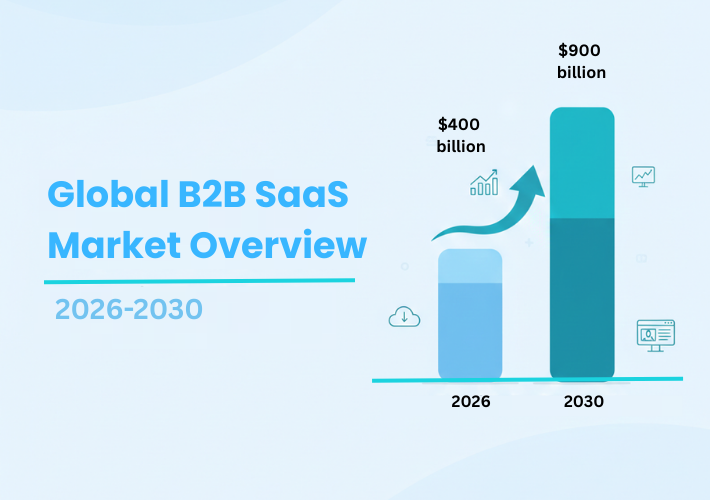
Recent research shows that the global SaaS market is projected to exceed $900 billion by 2030, with B2B platforms contributing significantly to this figure. In 2026 alone, the B2B SaaS segment is valued at over $400 billion, thanks to ongoing innovation, digital first business strategies, and growing cloud technology adoption.
Key factors behind this surge include:
- The rise of remote and hybrid work: Businesses need reliable tools to manage remote and flexible teams.
- Artificial Intelligence (AI): Modern SaaS products are using AI for predictive insights, task automation, and intelligent recommendations.
- Industry specific SaaS (Vertical SaaS): Tailored software solutions are empowering sectors like healthcare, finance, logistics, and education to operate more efficiently.
Who’s Using B2B SaaS in 2026?
By 2026, B2B SaaS solutions have become essential for virtually every kind of business from lean startups to global enterprises. Thanks to the widespread adoption of cloud computing, companies no longer need to develop software from the ground up or maintain large in-house IT departments. Instead, they can quickly adopt ready to use SaaS platforms tailored to their needs.
Below are some industries where B2B SaaS adoption is particularly strong:
- Healthcare
Cloud based SaaS platforms are widely used for managing electronic health records (EHR), scheduling appointments, handling billing, and ensuring regulatory compliance. Secure, HIPAA compliant systems protect sensitive patient data.
Examples: Athenahealth, Kareo, SimplePractice - Finance and Fintech
Financial institutions and startups rely on SaaS for accounting, payroll processing, expense management, and digital banking operations.These tools also support businesses with analytics, detailed reporting, and ensuring regulatory compliance.
Examples: QuickBooks Online, Xero, Plaid, Brex - Marketing and Sales
B2B SaaS tools help businesses with tasks like managing marketing campaigns, generating leads, and automating email communications.Customer Relationship Management (CRM) platforms help teams close deals more efficiently and manage client data.
Examples: HubSpot, Salesforce, Mailchimp - Ecommerce and Retail
SaaS platforms assist in managing online storefronts, processing payments, handling logistics, and providing customer support. AI powered tools enhance personalization and product recommendations.
Examples: Shopify, BigCommerce, Gorgias - Education and Training
Edtech SaaS platforms are used by schools and companies for e-learning, digital assessments, and managing virtual classrooms. Learning Management Systems (LMS) also support employee training and onboarding.
Examples: Moodle, TalentLMS, Teachable - Manufacturing and Logistics
These sectors leverage SaaS for inventory control, supplier management, and logistics optimization. IoT integrated platforms monitor machine health and streamline production in real time.
Examples: Katana, Zoho Inventory, ShipStation
Why Do Businesses Prefer SaaS in 2026?
Here are a few key reasons businesses are switching to or expanding their use of SaaS:
- Speed to Market: SaaS platforms can be deployed in minutes or days not months.
- Security and Compliance: Most B2B SaaS providers offer built in security features, encryption, and compliance support for regulations like GDPR, HIPAA, and SOC2.
- Flexible Pricing: Subscription models allow businesses to start small and scale based on usage.
- Innovation: SaaS vendors frequently update their products, keeping customers ahead of the curve.
In 2026, software is no longer a one time purchase, it’s a continuous service that helps businesses grow. Companies that embrace B2B SaaS gain a clear competitive edge by being more agile, data driven, and customer focused.
Key Trends Shaping B2B SaaS in 2026
The B2B SaaS landscape in 2026 is not only growing, it’s also evolving. As more companies depend on SaaS for their daily operations, new technologies and expectations are pushing the boundaries of what these platforms can offer.
Let’s explore the most important B2B SaaS trends shaping the market this year.
1. AI and Automation Are Everywhere
Artificial Intelligence (AI) is now a must have in modern B2B SaaS products. In 2026, it’s not just about chatbots or basic automation , AI is powering smarter, more personalized experiences across every business function.
SaaS platforms use AI for:
- Predictive analytics: Sales tools use data to identify and forecast which leads have the highest likelihood of converting.
- Process automation: HR and finance tools reduce manual data entry with intelligent workflows.
- Customer service: AI chatbots answer queries, route tickets, and learn from each interaction.
- Content creation: Marketing tools generate headlines, emails, and SEO content with generative AI.
Examples:
- Salesforce Einstein provides AI driven lead scoring and delivers valuable insights into customer behavior.
- Gong.io analyzes sales calls to highlight deal risks and suggest follow ups.
- Jasper AI leverages generative AI to help marketers produce high quality content quickly and efficiently.
In 2026, the best SaaS platforms combine AI with real time data to deliver actionable insights helping teams make better decisions with less effort.
2. Vertical SaaS Is Growing Fast
Rather than trying to be “one size fits all,” more companies are building vertical SaaS specialized tools designed for a specific industry.
Examples of vertical SaaS include:
- Toast – SaaS platform designed for restaurants, offering solutions for ordering, point of sale (POS), delivery, and payroll management.
- Veeva Systems – a cloud based solution tailored to meet the needs of pharmaceutical and life sciences companies.
- Jobber – for field service and home maintenance professionals
Why vertical SaaS works:
- Industry specific features solve real world problems.
- Platforms are built around common workflows and regulations in that sector.
- Faster time to value since the software doesn’t need heavy customization.
In 2026, vertical SaaS shows significant strength in industries like healthcare, legal, construction, logistics, and hospitality. These platforms offer deep expertise, compliance tools, and integrations specific to their niche giving them a competitive edge over general purpose software.
3. Platforms, Not Just Products
In the early days of SaaS, most tools focused on doing one thing well, CRM, email marketing, accounting, etc. However, in 2026, the most successful SaaS companies are focusing on building comprehensive platforms rather than offering just standalone products.
These platforms are:
- Modular: Businesses can add or remove features based on their needs.
- Integrated: They offer seamless connections to other tools through APIs.
- Customizable: Developers can build on top of the core product using SDKs or low code tools.
Example: HubSpot started as a marketing platform but now includes CRM, sales, customer support, and operations tools all connected under one ecosystem.
Modern B2B buyers now look for software solutions that offer flexibility, scalability, and seamless integration with their existing systems. Companies that offer platform based SaaS can support a wide range of use cases without forcing customers to switch tools.
4. Embedded Finance and Fintech Features
More B2B SaaS platforms are adding embedded finance allowing users to access financial services directly within the software. This could include.
- Sending or receiving payments
- Managing invoices and expenses
- Accessing loans or credit
- Handling taxes or compliance
For example:
- Stripe offers APIs for businesses to embed payments directly into their SaaS products.
- Brex provides spend management and corporate cards inside its finance SaaS suite.
- QuickBooks Online enables businesses to receive payments, generate invoices, and streamline tax reporting automatically.
By embedding fintech features, SaaS companies offer more value and keep users within their ecosystem reducing churn and increasing lifetime value.
5. Smarter Integrations with Open APIs
In 2026, most B2B SaaS buyers look for tools that work well with others. That’s why SaaS providers now offer open APIs, plug and play integrations, and app marketplaces.
Benefits of open integration:
- Data flows easily across platforms (e.g., CRM to email to analytics).
- Reduces manual work and duplicate entries.
- Supports automation between tools (e.g., a form submission triggers a Slack message and a CRM update).
Popular platforms like Zapier, Workato, and Make help businesses connect hundreds of SaaS tools without writing code.
SaaS providers that invest in robust integrations are more likely to win enterprise customers who rely on complex tech stacks.
6. New Pricing and Value Models
The traditional “per user, per month” pricing is no longer the only option. In 2026, B2B SaaS companies are exploring innovative pricing models to better align with customer needs and market demands.
- Usage based pricing: Pay only for what you use (e.g., number of API calls, emails sent).
- Tiered plans by outcome: Based on the value delivered, not just features.
- Freemium with AI add ons: Start free and unlock powerful AI tools for a fee.
These pricing models help SaaS businesses match cost to value, making their tools more attractive to both small and large companies.
Example: Snowflake charges based on data storage and compute usage, making it flexible for businesses with changing data needs.
7. Focus on Security, Privacy, and Compliance
As more data moves to the cloud, security and compliance are top priorities. In 2026, SaaS buyers demand:
- End to end encryption
- Data residency options
- Certifications for privacy and security compliance, such as SOC 2, ISO 27001, HIPAA, and GDPR.
- Role based access control and identity management
Modern B2B SaaS tools now offer built-in compliance dashboards and tools to help users meet industry specific regulations.
Security is no longer optional, it’s a core part of the product experience.
Summary of 2026 SaaS Trends
| Trend | What It Means |
|---|---|
| AI & Automation | Smarter tools that reduce manual work and offer real time insights |
| Vertical SaaS | Industry specific solutions with specialized features |
| Platform Thinking | All in one tools that can scale and integrate easily |
| Embedded Finance | Built in payment, lending, and accounting features |
| API & Integration Focus | Plug and play functionality across tools |
| Flexible Pricing Models | Pay for what you use or outcomes achieved |
| Security & Compliance | Built in data protection and privacy standards |
Notable B2B SaaS Companies to Watch in 2026
The B2B SaaS industry is filled with innovative companies solving critical business problems. While some giants continue to lead the market, many emerging players are making waves with niche solutions, AI integration, and flexible platforms.
Here are 10 B2B SaaS companies to watch in 2026, ranging from global leaders to fast growing disruptors:
1. Salesforce
Category: CRM & Sales Automation
Founded: 1999
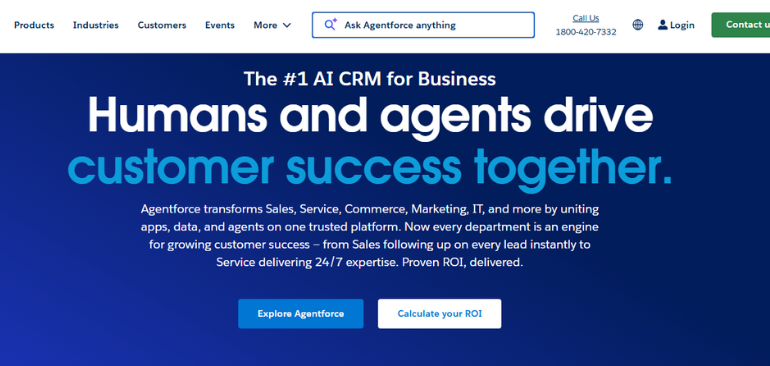
Salesforce continues to be the global leader in customer relationship management (CRM) solutions. Its platform helps businesses manage leads, automate sales pipelines, and deliver better customer service. In 2026, Salesforce is enhancing its Einstein AI capabilities, offering real time sales predictions, automated workflows, and smarter email recommendations.
Why Watch: Continues to expand with industry specific solutions and deeper AI integration.
2. HubSpot
Category: Marketing, Sales & CRM
Founded: 2006
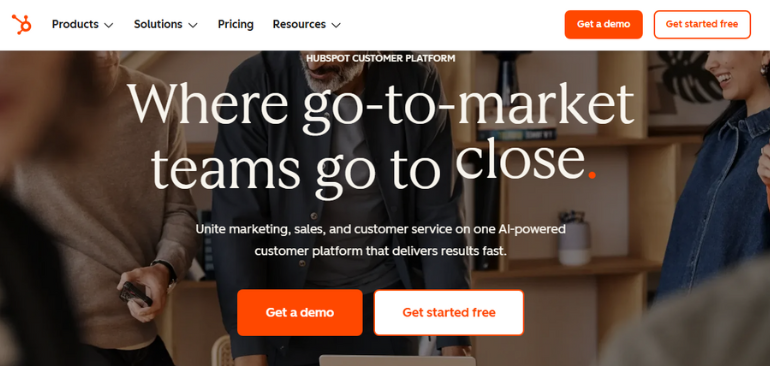
HubSpot is a favorite among small and mid sized businesses for its easy to use tools across marketing, sales, and customer service. In 2026, HubSpot’s unified platform is enhanced with automation, AI generated content tools, and deeper CRM integrations making it ideal for growing teams.
Why Watch: Expanding its ecosystem with advanced automation and affordable pricing tiers.
3. ZoomInfo
Category: B2B Data & Sales Intelligence
Founded: 2007
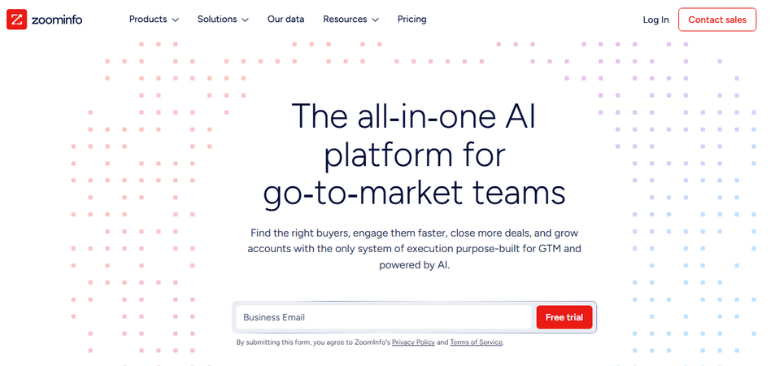
ZoomInfo helps businesses find and connect with their ideal customers using real time data and insights. In 2026, it leads in B2B lead generation with AI powered prospecting, buyer intent signals, and dynamic segmentation.
Why Watch: Essential for outbound sales teams looking to scale quickly with better data.
4. GetShift
Category: Time Tracking & Invoicing
Founded: 2021
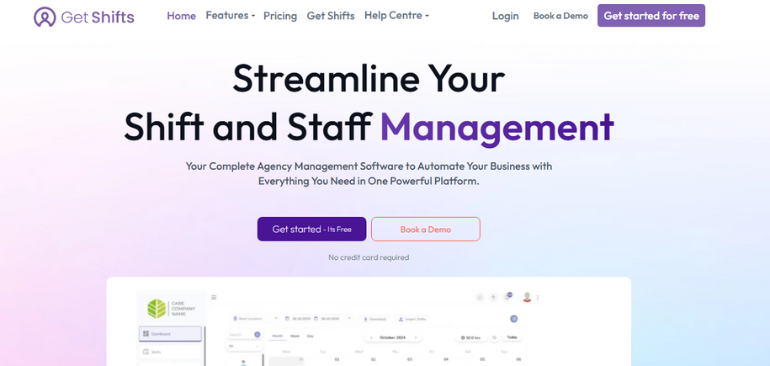
GetShift is an emerging B2B SaaS company revolutionizing shift management and invoicing for small businesses and contractors. Its intuitive platform allows teams to track work hours, automate timesheets, and generate invoices in seconds. In 2026, GetShift is expanding its feature set with AI assisted time tracking, multi currency support, and seamless payroll integrations.
Why Watch: A fast growing disruptor bringing simplicity and automation to workforce management.
5. Miro
Category: Online Whiteboarding & Collaboration
Founded: 2011
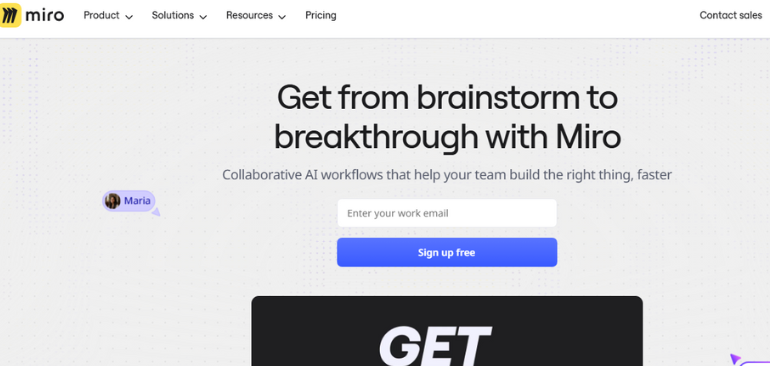
Miro is a visual collaboration platform designed to help remote teams brainstorm ideas, create plans, and conduct agile workshops effectively. In 2026, it integrates with tools like Jira, Zoom, Slack, and Asana, creating seamless cross platform collaboration.
Why Watch: Visual first collaboration with AI features like auto mind maps and layout suggestions.
6. Snowflake
Category: Cloud Data Platform
Founded: 2012
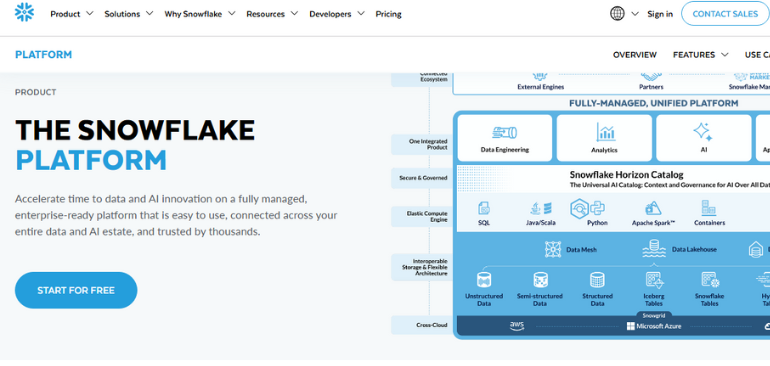
Snowflake is a leader in cloud data warehousing. The platform enables businesses to store, process, and analyze large volumes of structured and semi structured data in real time. In 2026, it’s expanding into AI powered data sharing and industry specific data applications.
Why Watch: Powers scalable analytics and ML workflows for data driven companies.
7. GitLab
Category: DevOps & Code Management
Founded: 2014
GitLab is a DevOps platform that enables software teams to manage code, CI/CD pipelines, and deployments from a single place. With AI assisted code reviews and performance monitoring, GitLab is helping dev teams work faster in 2026
Why Watch: Leading the way all in one DevSecOps platform.
8. Plaid
Category: Fintech API Infrastructure
Founded: 2013
Plaid connects applications with users’ bank accounts, helping SaaS platforms offer payments, transfers, and budgeting features. In 2026, Plaid is expanding into identity verification and B2B financial tools for invoicing and reconciliation.
Why Watch: Makes embedded finance easy and secure for SaaS platforms.
9. Monday.com
Category: Work Management & Automation
Founded: 2012
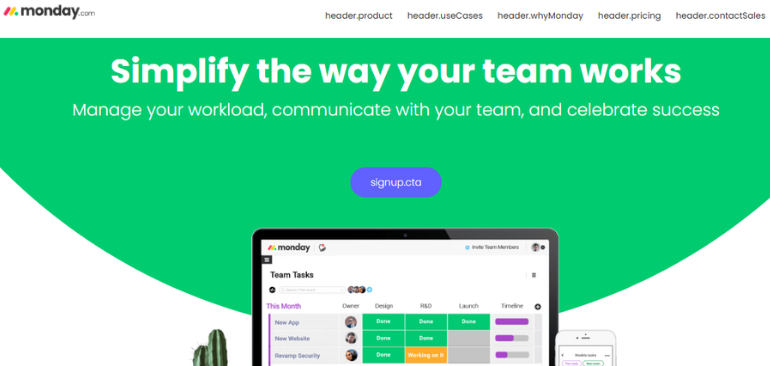
Monday.com is a flexible work OS that lets teams build workflows, project trackers, and dashboards. In 2026, it includes low code automation, AI driven task suggestions, and pre built solutions for HR, marketing, and IT.
Why Watch: Combines visual project management with smart automation features.
10. ClickUp
Category: Productivity & Team Collaboration
Founded: 2017
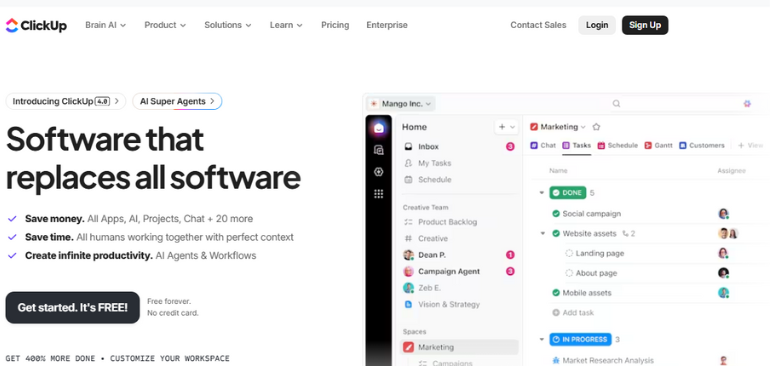
ClickUp offers a unified platform for tasks, docs, goals, and dashboards. It’s well suited for teams aiming to streamline their workflow by replacing multiple tools like Trello, Docs, and Asana with a single, unified solution. In 2026, ClickUp AI helps users write content, summarize notes, and automate repetitive tasks.
Why Watch: All in one work hub for growing remote and hybrid teams.
How to Pick the Right SaaS Solution for Your Business
Choosing the right B2B SaaS solution is one of the most important decisions a business can make in 2026. With so many software options available for every function HR, sales, marketing, project management, communication, it’s easy to feel overwhelmed. But the right choice can improve your team’s productivity, reduce costs, and support your long term growth.
Here’s a simple step by step guide to help you pick the best SaaS product for your needs:
1. Identify Your Business Needs
Begin by clearly understanding the specific problems you want to solve. Are you looking to automate employee scheduling, manage customer relationships, or improve internal communication? Knowing your pain points will help you focus on SaaS tools designed for your industry.
Example: If you run a staffing agency or manage shift based workers, a platform like GetShifts can simplify shift management, employee scheduling, and communication in one place.
2. Check for Industry Fit
Not all SaaS tools are designed for all industries. Some are tailored to healthcare, others to finance, logistics, or construction. Make sure the software provider understands your industry’s workflow, regulations, and day to day challenges.
3. Evaluate Features and Scalability
Compare the features across different SaaS providers. Consider:
- Does it offer what your team really needs?
- Can the platform grow with your business?
- Will it support your goals in the next 2-3 years?
Tip: Choose a flexible solution that can scale so you don’t have to switch platforms as you grow.
4. Test the User Experience
The best SaaS tools are intuitive and easy to use. Ask for a free trial or demo. Let your team try the software. A poor user experience can reduce adoption, waste time, and create frustration.
5. Understand Pricing Models
SaaS companies usually offer monthly or annual subscriptions. Be sure to review and understand what each pricing tier includes. Also, look for hidden costs like setup fees, onboarding charges, or support limitations.
6. Review Security and Compliance
Security is critical, especially when your business data lives in the cloud. Ask the provider about their encryption standards, data storage policies, and compliance with regulations like GDPR or HIPAA (if applicable to your industry).
7. Check Support and Customer Service
Reliable customer support is a must. Look for:
- 24/7 availability
- Live chat or phone support
- Onboarding help and documentation
Brands like GetShifts offer dedicated support to ensure smooth adoption and help resolve issues quickly.
8. Read Reviews and Case Studies
Customer reviews, testimonials, and case studies give real world insight. Look for similar businesses to yours and how they benefited from the software.
9. Integration Capabilities
Choose a SaaS product that integrates easily with the tools you already use like your CRM, payroll, accounting software, or communication apps. Integration reduces manual work and keeps your workflows efficient.
10. Plan for Long Term Use
Think beyond today. Choose a provider with a strong product roadmap, consistent updates, and a commitment to innovation. You’re looking for a true partner, not just a product.
Final Thought
B2B SaaS is not just a trend, it’s a fundamental shift in how businesses operate, connect, and grow. From CRMs and project management platforms to AI driven marketing tools and data security services, the scope of B2B SaaS continues to expand rapidly.
In 2026, the most successful B2B SaaS companies are those that prioritize customer centric solutions, flexible integrations, enhanced security, and AI driven personalization. Whether you’re a startup looking for growth tools or an enterprise optimizing operations, there’s a B2B SaaS product built for your needs.As more businesses move toward automation, scalability, and cost efficiency, embracing a SaaS powered approach is no longer optional, it’s essential.