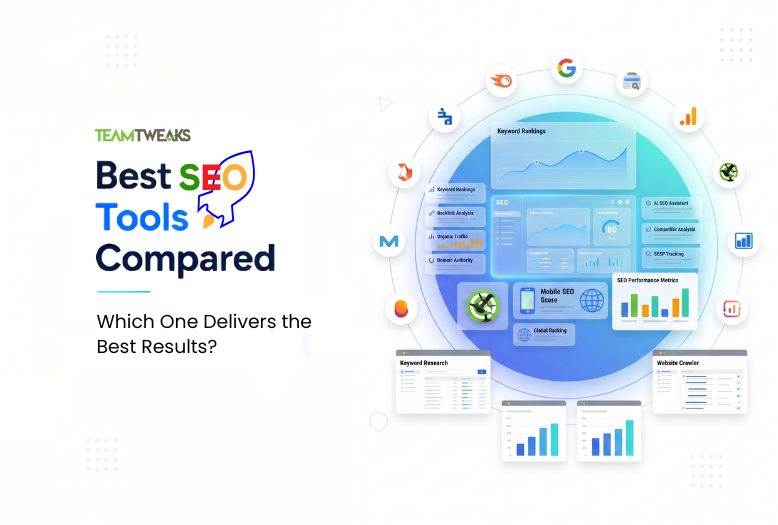
SEO has become more complex in 2026 as businesses compete for visibility across traditional search engines, AI-generated answers and evolving digital platforms. The right and best SEO tools can help marketers discover valuable keywords, analyse competitors, monitor backlinks, resolve technical issues, optimize content and understand how visitors interact with a website.
This guide provides a detailed comparison of the best SEO tools available in 2026, including Semrush, Ahrefs, Google Search Console, Screaming Frog, Surfer SEO and other reliable platforms. Each tool is compared according to its main features, strengths and ideal use cases, helping businesses, marketers and SEO professionals select the right combination for their goals.
What Are SEO Tools?
SEO tools are software platforms that help website owners understand, monitor, and improve their visibility in search engines such as Google and Bing.
These platforms collect and organize large amounts of search related information. They turn this data into recommendations that marketers can use to improve website performance.
Modern SEO tools commonly provide insights into:
- Keyword research, including search demand, competition, and user intent
- Backlink profiles and referring domains
- Website crawling and indexing problems
- Broken links, redirects, and duplicate content
- Competitor rankings and content strategies
- Search engine results page performance
- Website traffic and keyword positions
- Core Web Vitals and technical performance
- Content relevance and on-page optimization
- Brand visibility in AI generated search results
SEO tools help close the gap between complicated search algorithms and practical optimization work. When combined with a structured SEO audit checklist, they help teams identify problems, prioritize improvements, and measure progress.
All-in-One SEO Platforms vs Specialized SEO Tools
Before choosing an SEO tool, it is important to understand the difference between all in one platforms and specialized solutions.
This distinction helps businesses avoid purchasing several tools that provide the same features.
All-in-One SEO Platforms
All in one SEO platforms integrate multiple optimization tools into one convenient dashboard.
Popular examples include:
- Semrush
- Ahrefs
- Moz Pro
These platforms normally include keyword research, competitor analysis, backlink monitoring, site audits, rank tracking, and reporting.
They are often used as the central platform for managing SEO campaigns. Agencies and growing marketing teams generally prefer these tools because they can monitor multiple areas of SEO without switching between several applications.
Specialized SEO Tools
Specialized tools concentrate on one particular part of SEO. Their feature sets may be smaller, but they often provide more detailed information in their chosen area.
Examples include:
- Screaming Frog for technical crawling
- Surfer for content optimization
- Majestic for backlink intelligence
- Backlink vigil for backlink monitoring
- BrightLocal for local SEO
- AI visibility tools for generative search monitoring
These tools are typically added to an existing SEO toolkit when businesses need more advanced features or deeper analysis.
How SEO Tools Collect Search Data
Third party SEO tools do not have full access to Google’s internal search database. They create their reports by gathering and estimating information from several sources.
Understanding these methods makes it easier to evaluate the accuracy and limitations of each platform.
1. Proprietary Web Crawling
Major platforms such as Ahrefs and Semrush operate their own internet crawlers.
These automated systems continuously visit webpages, discover links, record website changes, and build large databases. This data allows the platforms to analyze backlink relationships, page authority, and competitor activity.
2. Clickstream Data
Some SEO platforms use anonymized browsing information gathered from approved third party sources.
They apply statistical models to this data to estimate keyword search volume, traffic potential, audience behaviour, and click patterns.
Traffic estimates can differ between SEO tools because each uses its own dataset and calculation methods.
3. Search Results Monitoring
SEO tools regularly retrieve public search results for specific keywords.
This process allows them to determine:
- Which websites rank for a keyword
- How rankings change over time
- Which SERP features appear
- Whether competitors are gaining or losing visibility
- How search results differ by location or device
This information is commonly used in rank tracking and competitor analysis reports.
Top 10 Best SEO Tools: A Quick Comparison
| No | SEO Tool | Best For | Key Features | Main Advantage |
|---|---|---|---|---|
| 1 | Semrush | Complete SEO and digital marketing | Keyword research, competitor analysis, site audits, rank tracking, and PPC research | Manages SEO, content, advertising, and competitor research in one platform |
| 2 | Ahrefs | Backlink and competitor analysis | Site Explorer, backlink monitoring, keyword research, and content gap analysis | Provides detailed backlink data and simplifies competitor research |
| 3 | Google Search Console | Google Search performance | Clicks, impressions, rankings, indexing reports, and URL inspection | Provides direct search performance and indexing information from Google for free |
| 4 | Screaming Frog SEO Spider | Technical SEO audits | Website crawling, broken links, redirects, metadata, and duplicate content analysis | Identifies detailed technical SEO issues across websites |
| 5 | Surfer SEO | Content and on-page optimization | Content editor, content scoring, topic suggestions, and SERP analysis | Provides real-time recommendations for creating search-optimized content |
| 6 | Respona | Link building and outreach | Prospect discovery, contact research, personalized emails, and follow-ups | Organizes and simplifies the entire link-building outreach process |
| 7 | Arobis AI Visibility Checker | AI search visibility | AI mentions, citations, recommendations, and competitor visibility tracking | Measures brand visibility across AI-generated search results |
| 8 | Google Analytics 4 | SEO traffic and conversion analysis | Traffic sources, landing pages, engagement, events, and conversions | Connects organic traffic with user behavior and business outcomes |
| 9 | Google Keyword Planner | Free keyword research | Keyword ideas, search volume, trends, and location targeting | Provides keyword insights directly from Google at no cost |
| 10 | Google Trends | Trending and seasonal keyword research | Search interest, regional insights, related queries, and real-time trends | Shows whether keyword interest is growing, declining, or seasonal |
Comparison of the Best SEO Tools
The following platforms are compared according to their strongest capabilities and the users who will benefit most from them.
1. Semrush: Best Complete Digital Marketing Platform
Best for: Marketing departments, SEO agencies, content teams, and businesses managing both SEO and paid advertising
Platform: Cloud based
Semrush is among the most powerful and comprehensive digital marketing platforms available today. Although it started primarily as an SEO product, it now includes features for paid advertising, social media, content marketing, local SEO, market research, and competitor monitoring.
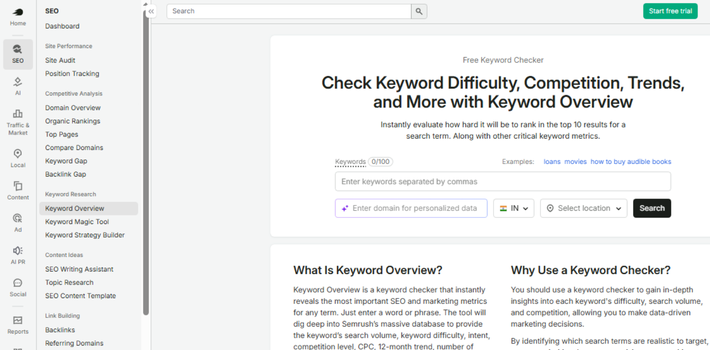
Its keyword database and filtering options make it especially valuable for discovering related search terms and grouping keywords according to intent.
Main Features
- Keyword research and keyword grouping
- Competitor traffic analysis
- Organic and paid keyword research
- Website auditing
- Position tracking
- Backlink monitoring
- Content planning tools
- PPC competitor analysis
- Local SEO features
- Custom reporting
Standout Feature: The Keyword Magic Tool helps users discover keyword variations, questions, related phrases, and long tail opportunities. Keywords can be filtered by search intent, difficulty, volume, and other metrics.
Main Advantage: Semrush provides both SEO and paid search intelligence. It is an ideal choice for businesses that want to manage SEO, Google Ads, content marketing, and competitor research from a single platform.
2. Ahrefs: The Best SEO Tools for Backlink and Competitor Analysis
Best for: Ideal for link-building experts, SEO experts, content marketers, and agencies.
Platform: Cloud based
Ahrefs is widely recognized for its backlink database, competitor research capabilities, and user-friendly interface.
It allows users to examine how competing websites attract traffic, which pages perform best, and where their backlinks originate. This makes the platform valuable for planning content and link-building campaigns.
Main Features
- Backlink analysis
- Competitor research
- Keyword exploration
- Content gap analysis
- Rank tracking
- Website auditing
- Top page reports
- Referring domain analysis
- Broken link discovery
- Organic traffic estimation
Standout Feature: Site Explorer provides a detailed overview of a website’s organic keywords, leading pages, referring domains, backlinks, and estimated traffic value.
Main Advantage: Ahrefs makes it relatively simple to reverse engineer successful competitor strategies. Its Content Gap feature can reveal keywords for which competitors rank while your website does not.
3. Google Search Console: Best Free SEO Data Source
Best for: Every website owner, marketer, developer, and SEO professional
Platform: Cloud-based
Google Search Console is an essential free platform that allows website owners to understand how their pages perform in Google Search.
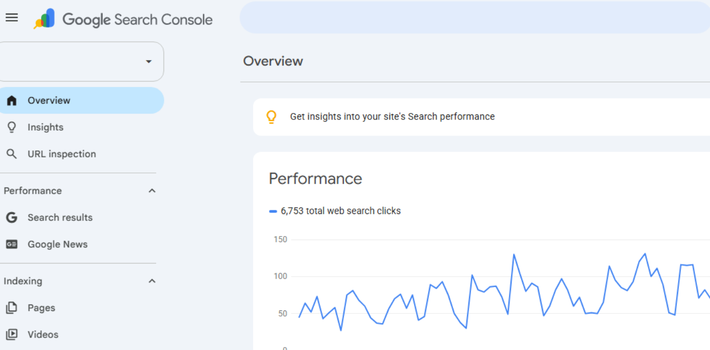
Unlike third party tools that estimate traffic, Search Console reports actual search impressions, clicks, positions, and click through rates collected from Google Search.
Main Features
- Search performance reports
- Keyword impressions and clicks
- Average search positions
- Page indexing information
- Sitemap submission
- URL inspection
- Core Web Vitals reports
- Manual action notifications
- Mobile usability monitoring
- Structured data reports
Standout Feature: The Page Indexing report explains which URLs Google has indexed and why certain pages may have been excluded.
Main Advantage: Google Search Console provides direct information from Google without requiring a paid subscription. It should be part of every website’s SEO setup, regardless of whether other premium tools are used.
4. Screaming Frog SEO Spider: Best for Technical SEO Audits
Best for: Technical SEO specialists, developers, large websites, and migration projects
Platform: Desktop application
Screaming Frog SEO Spider is a powerful website crawler available for Windows, macOS, and Linux.
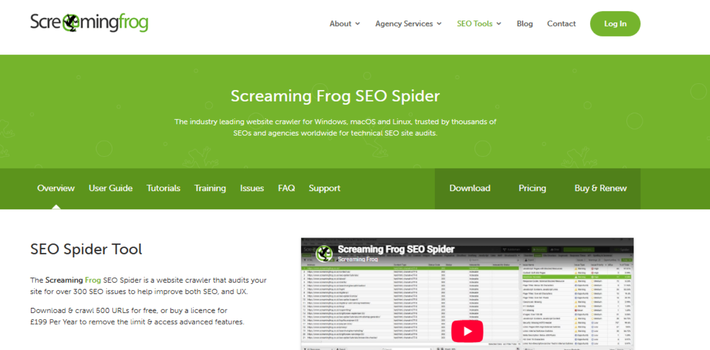
The software visits website pages in a similar way to a search engine crawler. It then organizes technical information into detailed reports that can be filtered and exported.
Main Features
- Broken link identification
- Redirect chain detection
- Metadata analysis
- Duplicate content reports
- Canonical tag inspection
- XML sitemap generation
- JavaScript rendering
- Internal link analysis
- Structured data validation
- Integration with analytics tools
Standout Feature: Its detailed crawling functionality allows SEO professionals to inspect almost every technical element of a website.
Main Advantage: Screaming Frog is particularly useful during technical audits, website redesigns, and domain migrations. It can quickly identify issues that would be difficult to locate manually across thousands of pages.
5. Surfer: Best for On-Page Content Optimization
Best for: Content writers, editors, SEO teams, and content marketing agencies
Platform: Cloud-based
Surfer focuses on improving the relevance and structure of webpage content.
It reviews pages currently ranking for a target keyword and compares their common characteristics.
The platform then provides recommendations for improving a new or existing article.
Main Features
- Real time content scoring
- Keyword and topic recommendations
- Heading suggestions
- Content length guidance
- SERP based analysis
- Content audits
- Internal link recommendations
- AI supported content workflows
Standout Feature: The Content Editor provides live suggestions while content is being written. It recommends relevant terms, topics, headings, and structural improvements based on competing pages.
Main Advantage: Surfer gives writers a clear optimization framework before publishing. It reduces guesswork and helps ensure that important subjects related to the main keyword are covered.
Its recommendations should still be reviewed carefully. A high content score alone does not guarantee rankings, especially when the article lacks originality, expertise, or useful information.
6. Respona: Best for Link-Building Outreach
Best for: Marketing teams, PR specialists, agencies, and businesses running outreach campaigns
Platform: Cloud-based outreach platform
Respona is designed to simplify digital PR and link building outreach. It helps teams discover relevant websites, identify contact information, create email campaigns, and manage follow-ups.
Instead of relying on disconnected spreadsheets and email tools, users can manage much of the outreach process through one structured workflow.
Main Features
- Link building campaign management
- Prospect discovery
- Contact information research
- Email sequence creation
- Personalized outreach
- Automated follow-ups
- Campaign performance tracking
- Relationship management
Standout Feature: Its outreach workflow combines prospecting, contact research, personalization, and follow-up management.
Main Advantage: Respona helps close the gap between finding a backlink opportunity and contacting the right publisher. It is valuable for teams that want to scale outreach while maintaining campaign visibility.
However, the platform does not replace relationship building. Successful campaigns still depend on relevant targeting, genuine personalization, and valuable content.
7. Arobis AI Visibility Checker: Best for AI Search Monitoring
Best for: SaaS companies, agencies, marketers, and brands tracking generative search visibility
Platform: Cloud-based
Search behaviour is changing as users increasingly turn to platforms such as ChatGPT, Gemini, Claude, Perplexity, and Google’s AI powered experiences for information and recommendations.
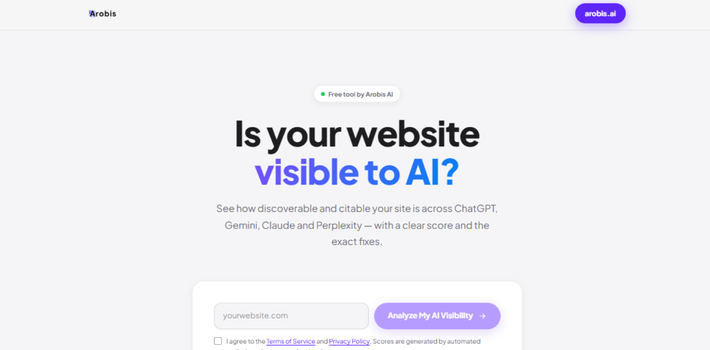
Traditional SEO tools primarily measure keyword rankings in standard search results. AI visibility platforms focus on whether brands are mentioned, cited, or recommended within AI generated responses.
Main Features
- AI platform visibility monitoring
- Brand mention analysis
- Citation tracking
- Competitor comparison
- Prompt based visibility testing
- AI recommendation monitoring
- Generative Engine Optimization insights
Standout Feature: The AI Visibility Checker helps businesses understand whether their brand appears across major AI answer platforms.
Main Advantage: It adds an AI search measurement layer to a traditional SEO stack. It can complement platforms such as Semrush, Ahrefs, and Surfer for companies investing in Answer Engine Optimization and Generative Engine Optimization.
AI visibility measurement is still an emerging area. Results can change because AI responses may vary based on the prompt, location, model, user context, and time of testing.
8. Google Analytics 4 (GA4): Best for Website Traffic and User Behaviour Analysis
Best for: Website owners, marketers, SEO professionals, e-commerce businesses, and agencies
Platform: Cloud-based
Google Analytics 4 is a free website analytics platform that helps businesses understand how visitors discover and interact with their websites or mobile applications.
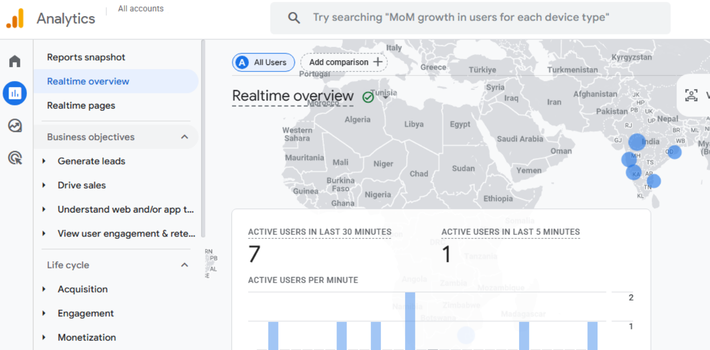
While Google Search Console focuses mainly on search performance, GA4 provides a broader picture of user behaviour after visitors arrive on the website. It shows which marketing channels generate traffic, how users navigate between pages, and whether they complete important actions.
Main Features
- Organic traffic measurement
- Traffic source and channel reports
- Landing page performance
- User engagement analysis
- Event and conversion tracking
- Audience segmentation
- Cross-device user journeys
- E-commerce performance reports
- Google Ads integration
- Custom reports and explorations
Standout Feature: GA4’s event based tracking model allows businesses to measure specific user actions, such as button clicks, form submissions, purchases, file downloads, video views, and page engagement.
Main Advantage: GA4 connects SEO traffic with actual business outcomes. It helps marketers understand whether organic visitors are engaging with the website, submitting enquiries, making purchases, or leaving without taking action.
When used with Google Search Console, GA4 provides a more complete SEO performance picture. Search Console explains how users find the website through Google, while GA4 shows what they do after arriving.
9. Google Keyword Planner: Best Free SEO Keyword Research Tool
Best for: Beginners, small businesses, advertisers, content writers, and SEO professionals
Platform: Cloud-based through Google Ads
Google Keyword Planner is a free keyword research tool available through Google Ads. It was primarily created for paid advertising campaigns, but its keyword data can also support SEO and content planning.
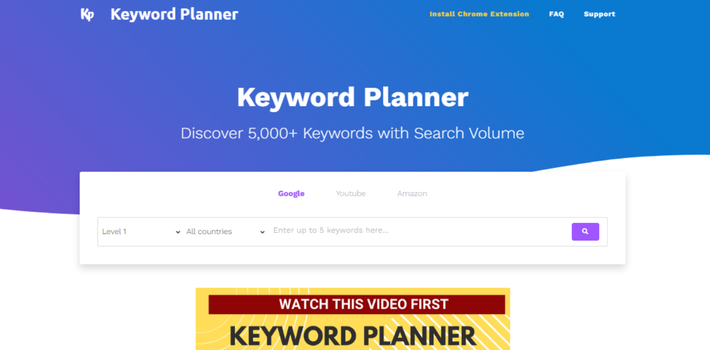
Users can enter a product, service, topic, or website to discover relevant search terms. The tool provides information about search demand, competition, keyword trends, and advertising estimates.
Main Features
- Keyword idea generation
- Average monthly search ranges
- Location based keyword research
- Language and device filtering
- Historical search trends
- Keyword forecasting
- Competition indicators
- Related keyword suggestions
- Google Ads integration
- Keyword list organization
Standout Feature: Google Keyword Planner allows users to research keywords for specific countries, cities, languages, and markets. This makes it helpful for local and international SEO planning.
Main Advantage: The tool provides keyword information directly from Google and can be used without purchasing a premium SEO platform.
However, users should remember that its competition metric refers primarily to paid advertising competition, not organic SEO difficulty. Search volume data may also appear as broad ranges unless the Google Ads account has sufficient campaign activity.
Google Keyword Planner works best as an initial research tool. The keyword ideas can later be analyzed using Google Search Console, Semrush, Ahrefs, or another SEO platform.
10. Google Trends: Best for Trending Topics and Search Demand Analysis
Best for: Content marketers, SEO professionals, journalists, e-commerce businesses, and seasonal brands
Platform: Cloud-based
Google Trends is a free tool that shows how search interest changes over time. It helps marketers identify emerging topics, seasonal patterns, regional differences, and changes in audience demand.
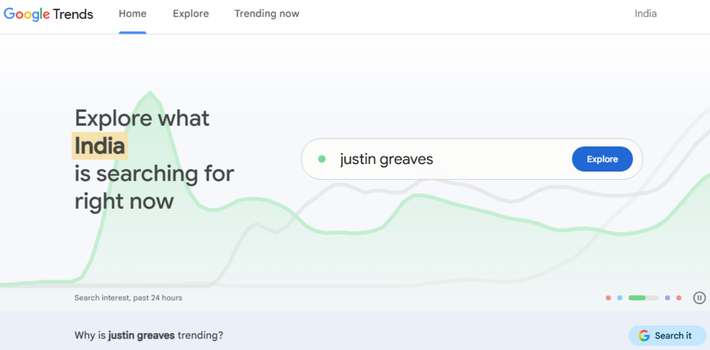
Instead of providing exact search volume numbers, Google Trends displays relative interest on a scale from 0 to 100. A score of 100 represents the highest level of popularity for the selected term within the chosen location and period.
Main Features
- Search interest comparison
- Trending topic discovery
- Seasonal demand analysis
- Regional interest reports
- Related topics and queries
- Real time search trends
- Historical trend analysis
- Google Search, YouTube, News and Shopping filters
Standout Feature: The comparison feature allows users to compare multiple keywords and understand which term has stronger or more consistent search interest.
Main Advantage: Google Trends helps businesses create content at the right time. It can reveal rising topics before they become highly competitive and show when seasonal products or services receive the most attention.
It is especially valuable when used alongside Google Keyword Planner. Keyword Planner helps estimate demand, while Google Trends shows whether that demand is increasing, declining, or seasonal.
Benefits of Using Best SEO Tools
The right SEO software can improve both strategic planning and everyday execution.
1. Better Competitor Understanding: SEO tools reveal the keywords, pages, backlinks, and content formats generating results for competing websites. Businesses can use this information to identify opportunities instead of relying completely on trial and error.
2. Improved Scalability: Manual SEO analysis becomes difficult as a website grows. Automated crawls, scheduled rank tracking, and reporting allow teams to monitor hundreds or thousands of pages more efficiently.
3. More Informed Decisions: Reliable data helps teams prioritize work according to potential impact. For example, a company can decide whether to update existing content, resolve indexing problems, build new landing pages, or acquire stronger backlinks.
4. Faster Problem Detection: Automated website audits can uncover broken links, missing metadata, blocked pages, redirect errors, and other technical problems before they significantly affect organic traffic.
Limitations and Common Misunderstandings
SEO tools are extremely useful, but their reports should not be treated as unquestionable facts.
Differences Between Data Platforms: One platform may estimate that a keyword receives 700 searches per month, while another may report 1,500. Such differences are expected because each company uses different databases and forecasting methods.
Third party numbers should therefore be treated as directional estimates rather than exact measurements.
Unnecessary Features: Large platforms may include many tools that a small business never uses. Purchasing the most expensive subscription does not automatically produce better results.
Choose a platform according to the functions your team will actively use.
The SEO Tool Trap: Buying SEO software does not improve rankings by itself.
Tools collect information and recommend opportunities, but experienced professionals must still interpret the reports, set priorities, create valuable content, correct technical problems, and measure the results.
How to Select the Best SEO Tools Stack
The right combination depends on your current stage, goals, available resources, and level of SEO experience.
1. Understand Your SEO Maturity
Small businesses and beginners: Start with Google Search Console and Google Analytics. Add an affordable keyword or site auditing tool only when required.
Growing businesses: Select one comprehensive platform, such as Semrush or Ahrefs, to manage keyword research, competitor analysis, backlinks, and rank tracking.
Agencies and enterprises: Use a combination of tools. For example, Ahrefs or Semrush can provide market intelligence, Screaming Frog can handle technical crawling, and Surfer can support content optimization.
2. Identify Your Most Important Data Requirements
Consider what your team needs most:
- Choose Ahrefs or another link focused platform when backlink analysis is the priority.
- Consider Semrush when SEO, competitor research, and PPC data are all important.
- Use Screaming Frog when detailed technical auditing is required.
- Select Surfer when your team regularly produces search focused content.
- Consider BrightLocal or a similar platform for location based SEO.
- Adding an AI visibility platform when monitoring generative search results is important.
3. Review Integrations and Reporting
Check whether the tool works with your existing platforms, including:
- Google Analytics
- Google Search Console
- Looker Studio
- WordPress or another CMS
- Project management platforms
- Business intelligence software
API access, report customization, and data exports become increasingly important for agencies and large organizations.
Beyond Traditional SEO in 2026: Understanding SEO, AEO, GEO, SXO and AIO
Understanding SEO, AEO, GEO, SXO and AIO
Search visibility is no longer limited to traditional Google rankings. People now discover information through search engines, AI assistants, voice search, featured snippets and other answer based platforms.
Modern digital marketing strategies should therefore consider SEO, AEO, GEO, SXO and AIO together.
1. SEO: Search Engine Optimization
SEO is the process of improving a website’s visibility in traditional search engine results on platforms such as Google and Bing.
It focuses on helping search engines crawl, understand, index and rank website content.
Key areas of SEO include:
- Keyword research
- On-page optimization
- Technical SEO
- Content creation
- Internal linking
- Backlink building
- Local SEO
- Website performance
The main goal is to increase relevant organic traffic and improve keyword rankings.
2. AEO: Answer Engine Optimization
AEO means optimizing content so that search engines and AI powered platforms can provide it as a direct answer to a user’s question.
It focuses on featured snippets, voice search results, People Also Ask sections and conversational queries.
Common AEO practices include:
- Providing short and direct answers
- Using question based headings
- Creating detailed FAQ sections
- Implementing structured data
- Organizing content clearly
- Targeting conversational searches
The objective is to make information easy for answer engines to find, understand and display.
3. GEO: Generative Engine Optimization
GEO is the process of optimizing content for generative AI platforms such as ChatGPT, Gemini, Claude, Perplexity and Google’s AI powered search experiences.
Instead of focusing only on traditional rankings, GEO aims to help a brand become mentioned, cited or recommended inside AI generated answers.
Important GEO practices include:
- Publishing original and trustworthy content
- Demonstrating experience and expertise
- Supporting claims with reliable sources
- Building strong brand authority
- Using clear facts and statistics
- Maintaining consistent information across the web
- Creating content that directly answers user questions
The goal is to increase a brand’s visibility and credibility across generative AI platforms.
4. SXO: Search Experience Optimization
SXO combines traditional SEO with user experience and conversion optimization.
Getting a visitor to a webpage is only the first step. The website must also be fast, useful, easy to navigate and capable of helping visitors complete their goals.
SXO focuses on:
- Website loading speed
- Mobile responsiveness
- Clear navigation
- Content readability
- Search intent satisfaction
- Accessibility
- Helpful calls to action
- Conversion rate optimization
The main objective is to provide the best possible experience from the search result to the final conversion.
5. AIO: Artificial Intelligence Optimization
AIO refers to using AI supported methods to improve content creation, search performance, personalization, automation and marketing decisions.
It can also include preparing website information so AI systems can understand and use it correctly.
AIO activities may include:
- AI assisted keyword research
- Content gap discovery
- Search intent analysis
- Automated technical audits
- Content personalization
- Predictive performance analysis
- AI visibility tracking
- Content quality improvement
AI tools can improve efficiency, but all AI-generated recommendations and content should be reviewed by experienced professionals. Accuracy, originality and human expertise remain essential.
How These Strategies Work Together
| Strategy | Full Form | Primary Focus | Main Goal |
|---|---|---|---|
| SEO | Search Engine Optimization | Traditional search results | Improve organic rankings and traffic |
| AEO | Answer Engine Optimization | Direct answers and voice search | Appear in featured answers and snippets |
| GEO | Generative Engine Optimization | Generative AI platforms | Earn brand mentions, citations, and recommendations |
| SXO | Search Experience Optimization | User experience and conversions | Turn search visitors into leads or customers |
| AIO | Artificial Intelligence Optimization | AI-supported search and marketing | Improve efficiency, visibility, and decision-making |
Final Thoughts
There is no universal SEO platform that is perfect for every business. The best option is the one that matches your goals, technical requirements, team size, and workflow. For many organizations, the main decision will be between Semrush and Ahrefs. Semrush is generally a strong option for teams that want a wider digital marketing platform covering SEO, competitor research, paid advertising, and content. Ahrefs is particularly useful for organic competitor research, backlink intelligence, and content gap analysis.
Google Search Console should remain the foundation of any SEO setup because it provides direct performance and indexing information from Google. Specialized tools such as Screaming Frog, Surfer, Respona, and AI visibility platforms can then be added when deeper capabilities are required. SEO software provides direction, but it does not replace strategy or experience. The strongest results come from professionals who can interpret the data, identify the right opportunities, and turn those insights into consistent improvements.
Frequently Asked Questions
SEO tools are software platforms that help businesses research keywords, analyse competitors, monitor rankings, find technical issues, optimize content, track backlinks and measure organic search performance.
Semrush is one of the best all-in-one SEO tools for keyword research, competitor analysis, site auditing and rank tracking. However, the right choice depends on your needs. Ahrefs is strong for backlink analysis, while Screaming Frog is better for technical SEO audits.
Google Search Console is one of the best free SEO tools because it provides direct information about search clicks, impressions, rankings and indexing issues. Google Analytics 4, Google Keyword Planner and Google Trends are also valuable free tools.
Semrush is generally better for businesses that need SEO, PPC, content and competitor research in one platform. Ahrefs is often preferred for backlink analysis, organic competitor research and content gap discovery.
SEO tools cannot improve rankings automatically. They identify keywords, content opportunities, technical problems and backlink gaps. Rankings improve when businesses correctly implement these recommendations and publish helpful, trustworthy content.
Semrush and Ahrefs are strong premium options for keyword research. Google Keyword Planner is suitable for free keyword discovery, while Google Trends helps identify rising and seasonal search topics.
Google Search Console shows how a website performs in Google Search, including clicks, impressions, positions and indexing status. Google Analytics 4 shows what visitors do after reaching the website, including page engagement, events, enquiries and conversions.
SEO improves visibility in traditional search engine results. AEO helps content appear in direct answers, featured snippets and voice search. GEO focuses on earning mentions and citations in answers produced by generative AI platforms.