
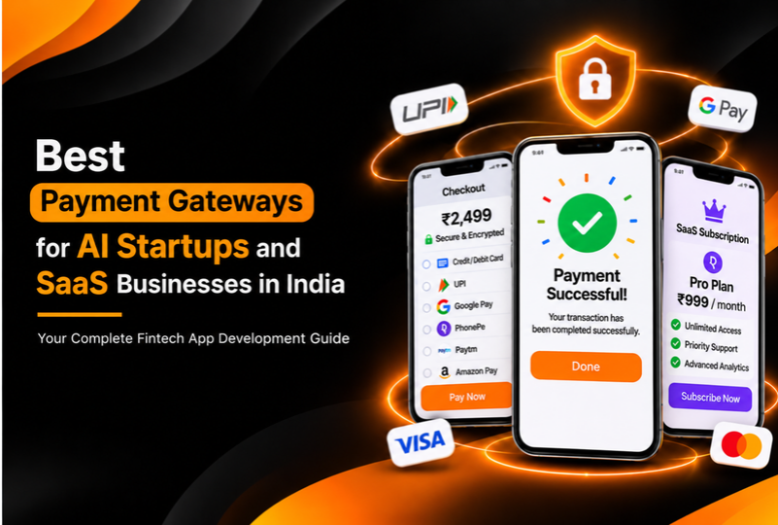
Getting your first paying customer is exciting. Choosing the right Payment Gateways to collect that payment can be less straightforward.
For an AI startup or SaaS business, the decision goes beyond transaction fees. Subscriptions, usage-based billing, international customers, and integration work all matter.
This guide compares Razorpay, PayU, PhonePe, and Cashfree on pricing, additional costs, and developer experience. It also explains how to develop a payment gateways app like Razorpay, PayU, or PhonePe, covering essential features, payment infrastructure, security requirements, and the development process.
Key Takeaways
- Best overall starting point: Razorpay. Its subscription lifecycle, recovery flows and developer tools suit teams building payments into a software product.
- Best alternative for configurable recurring billing: PayU. Recurring APIs, Zion and developer MCP tools offer different routes for teams that want to configure their payment workflow.
- Domestic-first alternative: PhonePe. Its AutoPay SDK guidance covers testing and production prerequisites. Confirm recurring features and approved post-offer pricing before integration.
- Cashfree ranks fourth for this use case. Subscription offer exclusions and retry limits need scrutiny. Its lower domestic rate and MCP support remain strengths.
- Compare the full renewal cost. Payment gateways fees, subscription add-ons, mandate charges and GST are separate components.
- Budget beyond introductory offers. Check eligibility, taxes, exclusions and the rate that applies when the offer ends.
- Match the payment gateway to your billing model. Fixed plans need scheduled collections; usage-based AI products also need application-level metering, credit balances and access controls.
- Measure payment success alongside fees. A lower transaction rate does not guarantee higher collections. Compare successful payment value after fees using matched, observed results.
- Confirm international checkout and settlement separately. Razorpay’s standard international-card Subscriptions settle in INR. Check supported currencies, FX charges and any separate EEFC account requirements.
- Plan your own payment gateway app development. If you want to build a payment gateway app like Razorpay, PayU or PhonePe, focus on secure payment processing, UPI and card integrations, recurring billing, merchant dashboards, transaction management and regulatory compliance to create a scalable payment platform.
How We Compared Payment Gateways for Indian SaaS Startups
This comparison reviews public India pricing, offer terms, and implementation documents.
- Billing fit: Scheduled renewals, usage-driven collections, and failed-payment handling.
- Developer experience: Integration guidance, webhooks and AI tools.
- Cost visibility: Base rates, recurring charges, taxes and promotional conditions.
The order is an editorial assessment for a small software team. Live transactions, uptime, support speed, payment success, and integration hours were not benchmarked.
Payment Gateways Comparison at a Glance
| Order and Provider | Published Domestic Pricing Position | Recurring Billing and Developer Considerations | Best Reason to Evaluate |
|---|---|---|---|
| 1. Razorpay | Standard domestic payment gateway fee of 2% plus GST for common methods, with custom pricing and a conditional welcome offer. | Subscriptions, cards, UPI AutoPay, eMandate, documented recovery states, webhooks and official MCP. Subscription add-on pricing requires confirmation. | A combined India-focused SaaS billing and developer stack. |
| 2. PayU | 2% for domestic cards, net banking, wallets and BNPL; 3% for specified higher-rate methods and international transactions; GST extra. | Recurring APIs, Zion subscription platform, dashboard options, and official operational and developer MCP servers. International-card standing instructions have a defined INR scope. | Teams evaluating recurring-payment configuration and international-card SI flows. |
| 3. PhonePe PG | The public page displays 1.99% struck through with a conditional free offer, zero setup fee and no AMC. | Standard payment integrations and an Autopay SDK path. Confirm recurring-specific charges, recovery behaviour and international requirements. | A domestic launch where the approved offer and payment flow fit the product. |
| 4. Cashfree | 1.95% standard rate for common domestic methods, with method-specific rates and a conditional promotion. | Periodic and on-demand subscriptions, APIs and official MCP. Mandate fees and automatic-retry coverage require a separate assessment. | A price-sensitive shortlist where the complete recurring quote is competitive. |
These are not all-in subscription quotes.
1. Razorpay: Best Overall Starting Point for AI Startups and SaaS
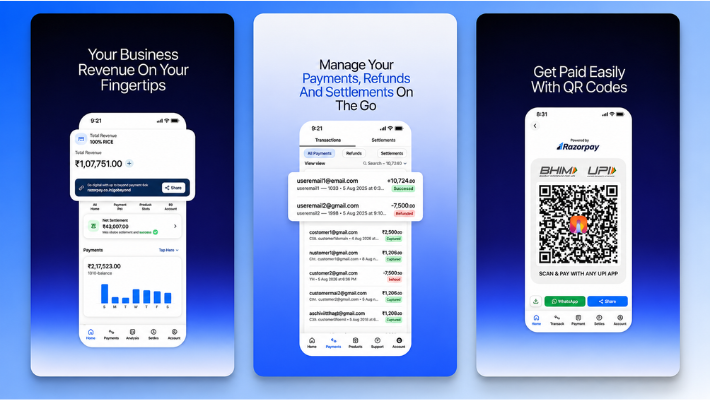
Payment Gateways like razorpay is our first evaluation choice when a SaaS team needs subscription billing, payment recovery and developer tools together.
Razorpay Customer Results: Payment Success and Integration Outcomes
Published customer stories show how Razorpay has addressed payment conversion and recurring collections in practice.
- ClearTax — 2.25% improvement in payment success: Razorpay’s May 2025 story reports this uplift after ClearTax adopted its UPI suite, including Intent, desktop QR, and Dynamic Routing.
For a SaaS business with self-service checkout, this is a relevant example of improving collections through the payment flow.
- PaisaBazaar – integration in 9 days: Its historical mutual-fund case reports integration and onboarding with Razorpay in nine days, compared with over three months with its previous provider.
- PaisaBazaar – 22.24% monthly registration growth: The same case reports this growth after adopting digital mandates, compared with 8–10% month-on-month under its physical-mandate process.
The mandate example matters when evaluating recurring-customer onboarding. It describes a mutual-fund platform, so its results should not be treated as SaaS benchmarks.
Razorpay Subscription Billing: Plans, Usage and AI Credits
Razorpay gives SaaS teams different collection flows for predictable subscriptions and variable charges. Choose the flow around how customers buy and use your product.
- Fixed subscriptions: Plan-based Subscriptions automate collections on a defined schedule. A monthly software plan can renew without your team creating a fresh payment request each cycle.
- Usage-driven charges: Recurring Payments let your application initiate charges around usage or milestones. This suits products where the amount or collection date changes with customer activity.
- AI credits and access: Your application should add purchased credits or renew product access after verifying payment. Keep a clear record connecting each payment to the correct customer account.
- Application responsibilities: Your team still measures usage, maintains credit balances and calculates bills. Razorpay handles the payment flow; it does not automatically meter model tokens or API consumption.
Pro Tip: Separate recurring plans, prepaid credit purchases and postpaid usage in your billing design. This makes refunds, failed charges and customer queries easier to reconcile.
Razorpay MCP and AI-Assisted Payment Integration
For developers building with AI assistants, Razorpay offers documentation discovery and MCP access to supported payment operations. These provide a starting point for integration and operational workflows.
- Documentation discovery: An LLM-focused index helps assistants locate relevant implementation guidance. Developers can check the current API contract rather than relying on a model’s recollection.
- Payment operations: Official MCP documentation covers payments, orders, payment links, refunds, settlement data and checkout integration assistance. Assess which supported operations match your development or reconciliation workflow.
- Access conditions: Available operations depend on authentication, configuration and permissions. Configure access for the task and review generated requests before using them with live payments.
- Production readiness: Test payment creation, signature validation, duplicate webhooks, refunds and failed renewals. AI-assisted development still needs backend checks before payment events change customer access.
Razorpay SaaS Pricing: Gateways Fees and Subscription Add-ons
Razorpay’s standard payment gateway pricing provides a clear base for budgeting. For SaaS, add recurring-billing charges and taxes before judging the total cost.
- Domestic payment gateways fee: Standard pricing is 2% plus applicable GST for common payment methods. Special methods, international payments and negotiated agreements can have different rates.
- Standard fixed costs: The standard payment gateways plan has ₹0 setup fees and ₹0 annual maintenance charges. Check optional products and account-specific terms separately.
- Subscription add-on: The product page displays a 0.9% add-on above the underlying payment fee. GST applies; the displayed add-on is not the total recurring-payment price.
Compare the complete recurring cost against the collection and recovery workflow your product needs. The public rate difference prevents a blanket claim that Razorpay is the cheapest subscription payment gateways.
Razorpay’s Welcome Offer: What It Covers
- Offer limit: Eligible new merchants completing KYC and activation on or after 1 July 2026 get a platform-fee waiver on up to ₹5 lakh of cumulative eligible domestic payments or 90 days from activation, whichever comes first.
- Costs and conditions: GST/levies and a possible ₹199 KYC fee plus tax still apply. Payment-method exclusions and fair-use rules apply; standard fees resume when the offer ends.
2. PayU: A Strong Alternative for Configurable Recurring Flows
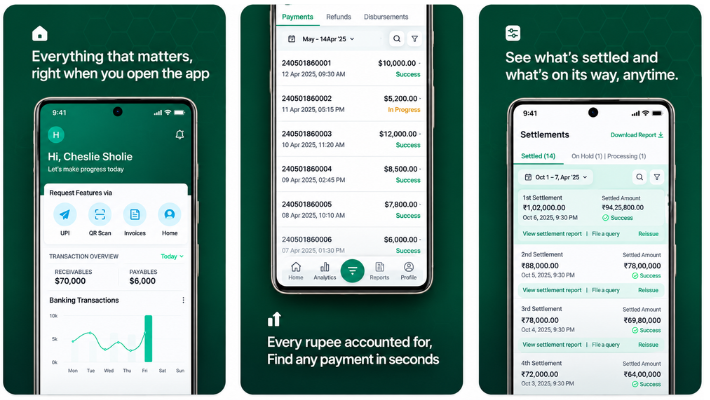
Payment Gateways PayU offers several recurring-payment routes for teams that want to evaluate managed tooling alongside a more direct API integration.
PayU Payment Gateways Charges for SaaS Businesses
- Domestic pricing: 2% for domestic cards, netbanking, wallets, and BNPL.
- Higher-rate methods: 3% for EMI, Amex, Diners, and international transactions.
- Taxes and fixed fees: GST is extra. The pricing page states zero setup, onboarding, and annual fees.
- UPI pricing: Merchant rates vary by business type and volume.
PayU Recurring Billing and MCP Developer Tools
- Subscription routes: PayU supports APIs, the Zion subscription platform, and dashboard-based options.
- Operational MCP: An OAuth-protected server supports documented merchant operations.
- Developer MCP: A separate server supports documentation search, integration discovery and code examples.
PayU International Recurring Payments: INR and Mandate Scope
- Merchant and card scope: The cited standing-instruction flow covers India-registered merchants, non-Indian card issuers and INR transactions.
- Mandate setup: Tokenisation and challenge-based registration are required.
- Merchant control: In this API route, the merchant handles subsequent transactions after the pre-debit notification step.
These conditions describe the cited SI route, not every PayU subscription option.
Our assessment: PayU ranks second for its recurring options and defined international-card flow. Razorpay remains our first combined-workflow evaluation choice for scheduled billing, recovery events, and AI integration guidance.
3. PhonePe PG: Worth Evaluating for a Domestic Product Launch
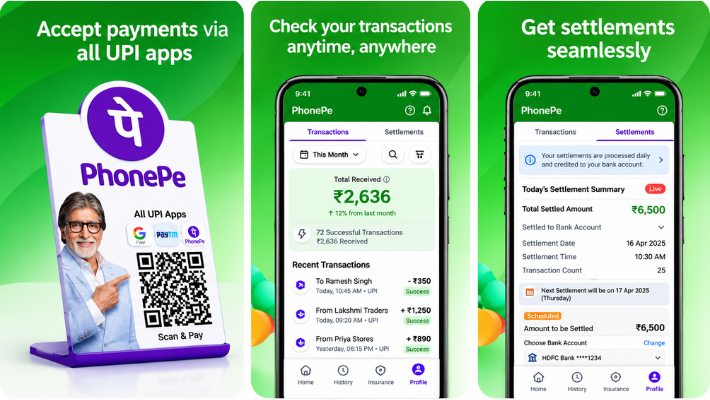
Payment Gateways PhonePe is worth shortlisting when its approved offer and domestic payment flow match your launch requirements.
PhonePe Payment Gateways Pricing and Autopay Integration
- Displayed offer: The pricing page shows a conditional free offer against a struck-through 1.99% rate.
- Fixed fees: Zero setup fee and annual maintenance fee are stated.
- Offer duration: The business page calls it a limited-period. Confirm the applicable duration and post-offer rates.
- Autopay SDK: The Python guide covers UAT and production environments, installation, and obtaining test credentials from the integration team.
PhonePe SaaS Billing: What to Confirm Before Integration
- Recurring costs: Ask for Autopay and mandate charges.
- Subscription operations: Confirm retry behaviour and plan-change handling.
- Overseas sales: Verify international collection requirements and the complete quote.
Our assessment: PhonePe is third as a domestic-launch alternative. This placement does not establish better global billing or developer experience than PayU.
4. Cashfree: Competitive Base Pricing, but Recurring Billing Needs Closer Scrutiny
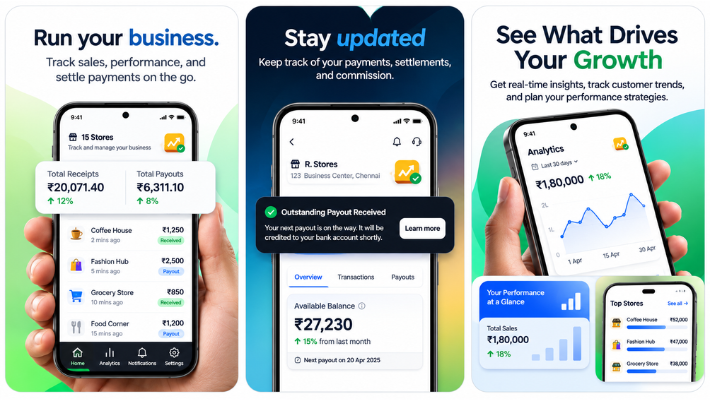
Cashfree’s 1.95% standard domestic rate is below Razorpay’s 2% base rate. Periodic and on-demand subscriptions and official MCP support are also available.
Its fourth position here reflects the recurring-billing priorities of a small SaaS team. It is not a measured finding of poor reliability, security, or support.
Cashfree’s Payment Gateways Offer: Subscription and International Exclusions
- Promotional volume: Eligible new merchants can receive a platform-fee waiver on up to ₹20 lakh in cumulative domestic payment gateways volume.
- Excluded flows: Subscription e-mandates and international payment gateways transactions are excluded.
- Retained tax: The terms retain GST calculated on the standard 1.95% rate when the platform fee is waived.
Budget recurring membership collections separately. The larger payment gateways allowance does not establish free subscription billing.
Cashfree UPI AutoPay Pricing: Mandate and Presentation Charges
- Mandate creation: The fee schedule lists a ₹7.50 component.
- UPI debit below ₹1,000: The listed presentation charge is ₹5.
- UPI debit of ₹1,000 or more: The listed presentation charge is ₹15.
- Card subscriptions: The schedule separately states that platform fees per transaction apply.
Cashfree’s flat ₹5 UPI AutoPay presentation charge alone equals about 2.51% of a ₹199 payment, versus 0.50% of a ₹999 payment, before GST.
The charge consumes roughly five times the share of the cheaper payment. For SaaS businesses selling smaller plans, that can erode margins before other applicable fees are added.
Cashfree Subscription Recovery: Card, eNACH and UPI Retry Limits
- UPI retries: An initial attempt can be followed by three retries at hourly intervals.
- Cards and eNACH: The charge guide states that these methods do not support automatic retries.
- Periodic collections: Scheduled payments are still initiated automatically. Scheduling and retry coverage are separate capabilities.
Razorpay documents automatic card retries over the following three days. That supports evaluating it first for card-heavy SaaS, but does not prove a measured recovery-rate advantage.
Cashfree Bulk Charging and Usage-Based Billing Workflows
- Dashboard bulk charges: File uploads are supported.
- API boundary: Raising charges on multiple subscriptions at once is not supported through the documented API; individual charge calls remain available.
- Controlled charging: This optional flow leaves retry initiation to the merchant.
Include that orchestration work in your evaluation. Cashfree can still fit a business when its complete recurring quote and operating model meet the requirements.
Payment Success Rate vs Payment Gateways Fees: Why Razorpay Can Be Cheaper Than Cashfree in the Long Run
Cashfree may seem cheaper with a 0.5% lower transaction fee. But what if saving on payment gateway fees means losing more money through failed payments?
Let’s understand this with a practical business example.
Razorpay vs Cashfree: What Happens to Your ₹10 Lakh?
Imagine your online store receives ₹10 lakh in attempted payments every month.
Razorpay achieves a 93-95% payment success rate, while Cashfree achieves 85-90%. These are illustrative rates, verified provider performance figures.
Here’s how much money you’d collect after payment gateway charges:
| Payment Gateway | Successful Payments | Fees + GST | Final Collections |
|---|---|---|---|
| Razorpay (95%) | ₹9,50,000 | ₹22,420 | ₹9,27,580 |
| Cashfree (85%) | ₹8,50,000 | ₹19,558.50 | ₹8,30,441.50 |
Why Razorpay Can Be More Cost-Effective?
Despite Cashfree’s 0.5% lower fee, Razorpay leaves you with ₹77,610.50 to ₹97,138.50 more every month in this example.
That’s potentially ₹9.31–₹11.66 lakh more annually, assuming consistent payment volumes and success rates.
Here’s what makes the difference:
- Higher successful collections: More completed payments mean more money reaching your business.
- Better overall value: Additional collections outweigh the higher transaction fees.
- Long-term financial advantage: Consistently higher payment success rates can deliver substantially better payment economics as your business grows.
The Bottom Line
Cashfree may be cheaper per transaction, but Razorpay can be cheaper for your business overall when its higher payment success rate offsets the additional fees.
The real question isn’t just “Which payment gateway charges less?” It’s “Which payment gateway helps me collect more money from the same payment opportunities?”
Hidden Payment Gateways Costs for AI and SaaS Startups
A headline rate may leave out taxes, method-specific pricing, offer exclusions and optional services. Check which costs apply to your actual SaaS billing flow.
Razorpay: Standard Pricing Reference
Razorpay’s standard domestic payment gateway reference is 2% plus GST, with ₹0 setup fees and ₹0 annual maintenance charges. Use the approved account quote for comparison.
PayU: Higher-Rate Methods and Faster Settlement
- Payment-method differences: PayU lists 2% for common domestic methods, but 3% for EMI, AMEX, Diners and international transactions. GST is additional.
- Settlement acceleration: Standard settlement is T+2. Priority or same-day settlement may carry a fee based on the business profile.
- UPI pricing: Merchant UPI rates vary by business type and volume. Confirm the applicable rate instead of assuming every UPI collection is free.
PhonePe: Offer Expiry and the Approved Quote
- Promotional pricing: The page advertises zero payment gateway fees during the offer period. Confirm its duration and the approved post-offer rate; the struck-through 1.99% is a reference.
- SaaS billing scope: Confirm the price and terms for AutoPay, international collections and settlement in your account. A promotional headline alone does not establish the complete recurring-payment cost.
PhonePe states zero setup and annual maintenance fees. Treat unconfirmed charges as questions for the quote, not as established hidden fees.
Cashfree: Offer Exclusions, GST and Optional Services
- Recurring-payment exclusions: The ₹20 lakh payment gateway offer excludes subscription e-mandates and international card payments through IPG. Budget those flows separately.
- GST during the waiver: Cashfree’s terms retain 18% GST calculated on the standard 1.95% rate, even when the platform fee is waived, ₹351 per ₹1 lakh.
- Settlement add-ons: Instant-settlement pricing depends on the selected service and business risk assessment, excludes GST, and can differ for holiday settlements.
Refunds and Chargebacks: Questions for All Four Payment Gateways
- Refund costs: Ask whether the original processing fee is returned and whether standard or instant refunds carry separate charges.
- Dispute costs: Confirm chargeback fees, evidence deadlines, and the treatment of disputed funds. Include these account-specific terms in the comparison.
International SaaS Payments: Currency, Settlement and Compliance
Razorpay is our first option to evaluate Indian SaaS teams combining overseas card payments with domestic subscriptions.
- Reported customer result: A Masaba testimonial on Razorpay’s International Payments page reports a 5% increase in international payment success and expansion to 87 countries.
- Recurring collections: Razorpay Subscriptions supports international currencies through cards. This lets a SaaS team evaluate overseas renewals alongside its domestic subscription flow.
- Settlement route: Standard Subscriptions documentation specifies INR settlement. Razorpay separately advertises multi-currency EEFC accounts; confirm eligibility and recurring-payment compatibility before choosing that route.
- Why shortlist it: International collection, subscription tooling, and a documented customer outcome support evaluating Razorpay first. Test your actual customer countries and card mix before committing.
Also compare the other payment gateways against your target countries and recurring-payment requirements:
- PayU: Evaluate international card collections and recurring billing against your approved currencies, settlement terms and complete account quote.
- PhonePe: Confirm international acceptance and AutoPay availability for your merchant account, including supported currencies, renewal flows and settlement terms.
- Cashfree: Review international-card and recurring-payment support, currency-conversion charges, and settlement conditions separately when estimating the cost of serving overseas subscribers.
UPI and eMandate have different currency scope. Confirm recurring-card approval, conversion charges, remittance documents, and the tax responsibilities retained by your business.
| Provider | Published International-Card Reference | What Still Needs Confirmation |
|---|---|---|
| Razorpay | 3% plus GST in its fee explainer. | Account eligibility, recurring add-on, currency conversion and settlement terms. |
| PayU | 3% plus GST on its pricing page. | Recurring quote and the INR scope of the documented international SI route. |
| PhonePe PG | No international-card rate was established from the pages reviewed. | Acceptance, recurring availability, supported currencies and the complete quote. |
| Cashfree | 2.99% for Visa and Mastercard; 2.95% for American Express, plus applicable GST. | Recurring charges, currency conversion and settlement conditions. |
Compare the full recurring quote, FX conversion, export documentation and settlement route alongside these card rates.
An overseas customer, foreign-currency checkout and foreign-currency settlement are separate requirements. Confirm which ones your SaaS product needs.
Developer Experience: Payment Gateways Integration and Custom App Development for SaaS Businesses
Evaluate the full payment lifecycle: authorisation, product access, renewals, refunds and reconciliation. A successful checkout demo covers only part of it.
Developer Comparison: Razorpay, PayU, PhonePe and Cashfree
- Razorpay: Plan-based subscriptions, merchant-triggered recurring payments and documented card/UPI retries provide a practical base for SaaS billing. MCP documentation and an LLM index also support AI-assisted integration work.
- PayU: Recurring APIs and Zion offer different implementation routes. Its developer MCP supports documentation search and integration examples; choose the route that fits your billing model and operational responsibilities.
- PhonePe: The AutoPay Python SDK guide covers UAT and production prerequisites. Obtain test credentials from the integration team, then validate authorisation, callbacks and renewal behaviour before planning your launch.
- Cashfree: Subscription APIs and MCP support are available. Its documented card/eNACH charge flow lacks automatic retries, so include merchant-managed recovery in the implementation estimate; UPI follows a separate retry policy.
For card-led SaaS, Razorpay’s documented retries and recovery events make it a logical first prototype. Compare the same renewal, refund and reconciliation scenarios across all four payment gateways.
SaaS Payment Gateways Integration Checklist
- Map the billing model. Separate subscriptions, credit purchases, usage invoices and annual contracts.
- Create payment objects on the backend. Keep secrets on the server and follow the provider’s current API contract.
- Verify payment authenticity. Validate checkout and webhook signatures using the documented payload format.
- Handle duplicate and delayed events. Make fulfilment idempotent and avoid assuming webhook delivery order.
- Test failed renewals. Check retries, notifications, payment-method replacement and grace periods.
- Test plan changes by payment method. Razorpay’s FAQs limit subscription updates to card-authorised subscriptions, rather than UPI or eMandate.
- Reconcile the outcome. Match each charge, fee, refund and settlement to the correct customer and invoice.
- Review AI-assisted work. Use current documentation and scoped tools; review generated integrations before production use.
Payment Webhook Security, Duplicate Events and Recovery
Validate the checkout response and payment webhooks before updating access or order status.
- Signature verification: Validate the webhook against the raw request body.
- Duplicate handling: Prevent the same event from granting access or credits twice.
- Event order: Handle payment events that arrive out of sequence.
Our recommendation: Start the evaluation with Razorpay Payment Gateway and Razorpay Subscriptions. Compare the same failure scenarios and approved total price with the other candidates.
How to Develop a Payment Gateways App Like Razorpay, PayU or PhonePe
Planning to build a payment gateway app like Razorpay, PayU, or PhonePe? Start by identifying the essential features, payment integrations, security requirements, and technology needed to develop a reliable payment platform.
The development process includes merchant registration, UPI and card payment integration, transaction management, recurring billing, refund processing, settlement tracking, and an admin dashboard. You also need to consider payment security, regulatory requirements, and scalability before launching.
If you are planning to build your own payment platform, Team Tweaks can help you explore custom web and mobile app development solutions. An experienced development team can help turn your payment gateway idea into a scalable application with the right features and integrations.
Key Features to Include in Payment Gateways App Development
- Merchant Registration and Verification: Allow businesses to register, submit KYC documents, and complete merchant verification.
- Payment Processing: Support UPI, debit cards, credit cards, net banking, and other approved payment methods.
- Payment Dashboard: Provide merchants with transaction history, payment status, settlements, refunds, and reports.
- Subscription and Recurring Billing: Enable automated recurring payments, subscription management, and renewal notifications.
- Payment Security: Implement encryption, secure authentication, access controls, fraud monitoring, and applicable PCI DSS requirements.
- Refund and Dispute Management: Allow merchants to manage refunds, chargebacks, and transaction disputes.
- API and SDK Integration: Provide developer-friendly APIs and SDKs for websites, mobile apps, and SaaS platforms.
- Settlement Management: Track payment settlements, transaction fees, and merchant payouts.
Payment Gateway App Development Process
- Requirement Analysis: Identify the business model, target customers, payment methods, and compliance requirements.
- UI/UX Design: Create simple interfaces for merchants, customers, and administrators.
- Technology Selection: Choose suitable frontend, backend, database, cloud infrastructure, and security technologies.
- Payment Integration: Integrate with banks, payment networks, and authorised payment service providers.
- Testing and Security Audits: Test transactions, payment failures, refunds, webhooks, and security vulnerabilities.
- Deployment and Maintenance: Launch the platform, monitor transactions, maintain infrastructure, and update security controls.
Payment Gateway App Development Cost
The cost of developing a payment gateway app like Razorpay, PayU, or PhonePe depends on features, payment integrations, security requirements, and project complexity. Consider development, API integration, security audits, infrastructure, compliance, and maintenance costs when planning your budget.
Conclusion
Choosing the right payment gateway is an important decision for AI startups and SaaS businesses in India. Razorpay, PayU, PhonePe, and Cashfree each offer different pricing structures, recurring billing options, payment integrations, and developer tools. Before making a decision, compare the complete transaction costs, subscription features, payment success, security, and international settlement requirements to find a solution that supports your business goals.
If you are planning to build your own payment gateway app like Razorpay, PayU, or PhonePe, the right development approach is equally important. From payment integration and merchant dashboards to recurring billing, transaction management, and security, every component needs careful planning. Team Tweaks can help you explore custom web development and mobile app development solutions to turn your payment gateway idea into a scalable digital platform.
Frequently Asked Questions(FAQs)
Razorpay is our first recommendation for teams that want subscriptions, card and UPI collections, recovery events and developer guidance together.
Choose against your billing model and approved account terms. Test checkout, renewals and refunds before committing to a provider.
Compare the total cost of successful collections, including payment gateway fees, subscription add-ons, mandate or presentation charges, GST and optional services.
Use your actual payment mix and observed success rates. Include refunds, disputes and post-offer pricing; the lowest advertised transaction rate may not deliver the best overall value.
Yes. AI coding tools can help developers find API guidance and draft integration code using current documentation, SDKs and MCP tools where available.
Review authentication, signature verification and webhook handling, then test the full billing lifecycle. Generated code still needs validation before it controls customer access or credits.
Use supported retries, payment-method updates and subscription events, with clear grace-period and access rules. Recovery behaviour varies by payment method and provider.
For example, Razorpay documents three automatic retries for failed scheduled card and UPI subscription charges on T+1, T+2 and T+3. Successful collection still depends on the customer and bank.
The time required to develop a fintech app depends on its features, functionality, integrations, and complexity. The development process generally includes planning, UI/UX design, frontend and backend development, third-party integrations, security testing, and deployment. Advanced features and financial integrations may require additional development and testing time.
The cost of developing a fintech app depends on the project scope, design requirements, technology stack, integrations, security features, and development resources. A basic fintech application may require a smaller budget, while an advanced solution with digital payments, money transfers, transaction management, financial dashboards, and automated processes may require a higher investment.